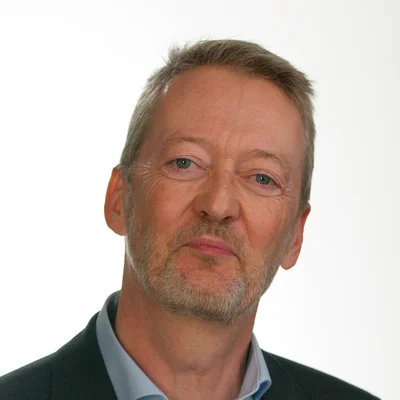
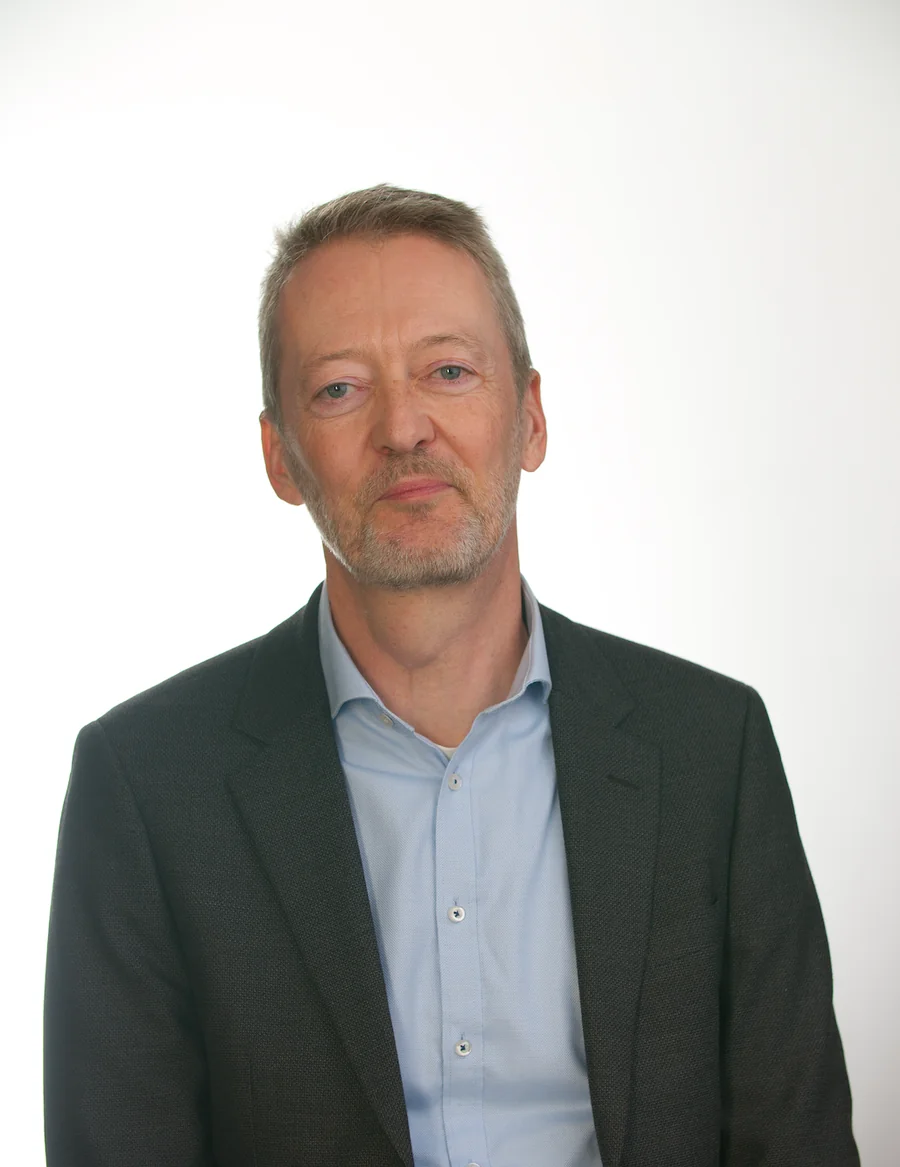
 Bo Frese
Building software since 1987.
Still at it today.
That's not a nostalgic detail. It's the reason I can do what I do.
Where it started
My first job was building CAD and GIS systems for ground survey. The people I was building for were right down the hall — we talked every day about what they needed, what I'd built, what to change next. I took the whole thing from early conversation to finished system: design, implementation, support, the next iteration. No handoffs, no process overhead. Just people who needed a tool and someone who could build it, in close collaboration.
I didn't know it at the time, but that was agile and DevOps before either had a name. It became my normal — my reference point for what software development actually looks like when it works.
I've been a first mover most of my career. I set up the first web server at ESO in 1993 while working on Hubble Space Telescope data, connecting a database to the early internet with CGI scripts. The toolkit I built was open-sourced, cited on Sybase's website as the reference way to connect their database to the web, and mentioned in books and software patents. Back in Denmark at DTU, I was building in Java from 1996. Later, Agile — when what I'd been doing since 1987 finally had a name. Now, AI.
But I've also watched what happens when people lose the thread. Agile for the sake of agile. AI measured in tokens spent rather than problems solved. I think these things happen when people have lost the connection to the real people using our products to solve real problems.
Bass, and after
At Bass Consulting I was a partner — accountable for users, business, and code at the same time. We built a complete web-EDI system for Danish pension companies from scratch. When you own the whole chain, you stop seeing the parts as separate.
When Bass was acquired by Aston IT Group, I stayed and kept building. Then Nordija — a small, technically excellent company that was an early adopter of Agile and XP, not as a process to install but as a craft. The quality culture, the knowledge sharing, the way the team worked together made a deep impression. When Jim Coplien joined, I had the rare privilege of working directly with one of the people whose thinking had shaped Scrum and XP from the ground up. Everything clicked — my instincts, my experience, and the theory behind it all finally fitting together.
I went on to work as an Agile coach at Valtech, teaching across Denmark, France, Spain, and China. But my love for being directly inside the product kept pulling me back. I do both now — mostly development. I will never do Agile for the sake of Agile. I do it to enable better development of better products for real people.
Bo is one of the clearest Agile thinkers in Denmark and one of the most well-rounded and practical folks I have worked with in decades. Few who use the title "architect" really deserve it: Bo is one of those rare individuals who rises to the task.
— Jim Coplien, organisational patterns author, lean/agile coach
Still building
I build for myself too. Glysimi is an iOS app for diabetes management I built because the apps that existed didn't meet my own needs. Bob is an open-source plugin for Claude Code — my way of putting into practice, and sharing, what I've learned about AI-assisted development.
They're not client work. But the accountability is the same: whether it's a personal app or an enterprise platform, you're building for real people with real needs. That proximity is what keeps the advice honest.